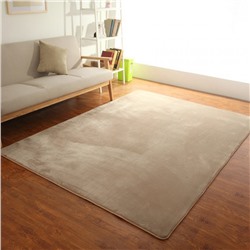
 The material that emerges as a result of pressing the papers impregnated with artificial resin solution under a certain pressure with the help of temperature by placing them on top of each other on different layers is called laminate flooring. Resin impregnation is also called paper impregnation. Impregnation is the process of drying the papers impregnated with resin materials such as melamine formaldehyde and urea formaldehyde by baking. Due to this production style, laminate flooring has gained a great advantage in the market due to its non-wood content and being economically competitive compared to laminated and passive flooring. Laminate flooring is produced by sticking laminate coatings on MDF, HDF or particle board, which is cheaper than quality wood. The bonding process is done using adhesive under heat and pressure. The boards produced in large layers are cut to the desired dimensions, the joints are opened according to the details of the addition, and they are packaged and offered for use. In fact, laminate flooring, as accepted in the world, is a surface covering material with a good appearance, which is evaluated under the sub-title of parquet, not as parquet.
Technical Structure of Laminate Flooring
1. Overlay: The top surface of the parquet is covered with a very special and robust film layer that increases protection. This layer is mixed with a beautiful decorative film layer to obtain a hard surface resistant to abrasion.
2. Pattern paper: It is a paper film layer printed with advanced technology, which can be produced from high quality wood raw materials in endless colors and patterns.
3. HDF High density non-carcinogenic (E1) and water resistant fiberboard. According to ISO and DIN norms, it should not contain carcinogenic substances.
4. Balancing paper Cellulosic paper film layer providing stabilization.
What should you pay attention to?
We need to pay attention to the traffic density of the environment where you will use the laminate flooring, and the product you choose should have the content and resistance to absorb the traffic density of the environment in which it will be used. One of the most important factors determining the quality in laminate flooring production is the quality and performance of the cutting tools used. The fact that the product we will buy has ISO 9002 TSE and CE Certificate is an important issue that determines the quality criteria. Buying a product sold in Europe of the same brand and similar quality also gives you assurance. Because producing in Europe is not something that registers that the product is sold or used in Europe.
Wear Classes
The standards of laminate flooring classes have been determined. It is evaluated whether the manufacturers comply with these standards when obtaining a brand, TSE certificate or ISO certificate or any certificate from international organizations.
Laminate flooring class consists of two-digit numbers. As the number grows, laminate flooring’s durability and resistance to external factors increase. The higher the number symbolizing the laminate flooring class, the higher the laminate flooring belongs to the class with higher abrasion resistance in areas subject to more heavy traffic.
31st Class / AC3 : Areas used in low and low density
AC3 laminate floors are designed for high-occupancy living areas and low-use commercial spaces (e.g. can be used for living rooms, children’s rooms, kitchens, bedrooms, hotel rooms, hallways, conference rooms).
32. Class / AC4: Medium used areas
AC4 laminate floors are suitable for high usage living areas and moderately used commercial spaces (e.g. can be used for living rooms, children’s rooms, kitchens, bedrooms, hotel rooms, corridors, conference rooms, boutiques, offices).
33. Class / AC5: Intensively used areas
AC5 laminate floors are suitable for high usage living areas and moderately used commercial spaces (e.g. can be used for living rooms, children’s rooms, kitchens, bedrooms, hotel rooms, corridors, conference rooms, boutiques, offices).
Laminate Flooring and Health
Formaldehyde is a chemical substance found in cheap, low-quality wooden parquet flooring cost product building components, which threatens human health. Products containing formaldehyde are very dangerous. It is used for bonding wood chips by compression. The higher the use of formaldehyde chemicals, the lower the cost of manufacturing laminate flooring. The ruthless competition conditions in the market, unconscious customers push some laminate flooring companies to use formaldehyde more than it should. The demand for cheap laminate flooring can cause buyers to sit down and wake up with cancer without realizing it. In short, cheap laminate floors carry a carcinogenic risk.
Considerations when purchasing laminate flooring in accordance with health standards recommended by international health organizations;
European Union Countries have brought legal regulations to this problem. The E1 document system has been developed, which shows that laminate flooring is suitable for health. Look for these phrases on the laminate flooring packaging you purchased. E1 sign indicates that formaldehyde is used in the amount in accordance with the standards. In other words, the amount of formaldehyde used was used far below the limits that could threaten our health. It means that no chemicals were used in its production at rates that would harm human health. The laminate flooring brand that deserves an E1 health certificate does not threaten human health.
When purchasing laminate flooring, attention should be paid to the wood ratio in its component. This rate varies between x..% and 80%. Wood component ratio is the most important indicator that indicates the compliance of your laminate flooring with health standards. The higher the wood usage rate, the healthier our laminate flooring is.
Assembly
The suitability of the area where the laminate flooring will be applied is very important.
Suitable floors:
Wood, well-adhered PVC, well-dried ceramics, linoleum.
Screed (max. humidity:2.0 cm%)
The screed analysis you will make on your area gives you the amount of moisture available. Wet and damp rooms, saunas, carpets are not suitable for flooring. The floor must be dry, flat, firm and clean. Minor imperfections can be tolerated with the mattress, but larger than 3 mm should be corrected with alum or putty.
Underfloor Heating:
Laminate flooring is suitable for underfloor heating via hot water and even provides heat savings. Roughly review the following terms:
Consult a specialist to obtain a heating report.
Make sure that the floor temperature does not fall below 15 oC during the application.
Use thick and high quality insulation boards for underfloor heating for moisture, humidity and sound insulation. Never use a mattress.
At the beginning of each heating operation, when you start the underfloor heating system, increase the temperature in increments of 5 oC until you reach the desired temperature. The surface temperature of the flooring should not exceed 26 oC.
Laminate Flooring Care and Cleaning
Compared to other flooring, the biggest advantage of your laminate flooring is that it is easy to maintain. Laminate flooring owners want their flooring to always stay the same. To ensure this, you need to follow these steps;
Furniture on the laminate flooring should not be moved by rubbing any sharp or metal object into contact with the parquet.
Care should be taken that the wheels of the office furniture are soft and clean, and if possible, a transparent flex should be placed under the wheelchair.
Since it is affected by water, materials that are at risk of leaking water (such as flower pots, refrigerators, dishwashers, etc.) should not be placed on laminate flooring.
It should not be used in wet, humid, very humid areas.
The feet of the furniture placed on it must be equipped with an apparatus or felt to prevent sharp ends and excessive friction.
For daily cleaning, an electric or non-rigid bristle broom should be used.
Cleaning should only be done with a damp, soapy (soft) cloth.
Traces of dirt should be wiped with a thoroughly wrung cloth and water must be prevented from remaining on your parquet.
It should not be cleaned with very wet mops.
Spilled (contaminated) dirt, stains and food residues should be wiped before they dry.
Hard-to-remove dirt should not be cleaned with bleach, acidic products, saline or synthetic, cellulosic thinners.
It should not be cleaned with wax, polish and scouring agents.
Unnatural detergents and cleaning cloths with metal particles should not be used on them.
Microfiber cloth should not be used when wiping.
Cleaning can be done with cleaning products developed for laminate flooring sold in markets. Products that you believe in quality and that have succeeded in becoming a brand should be used.
 Flooring Systems